
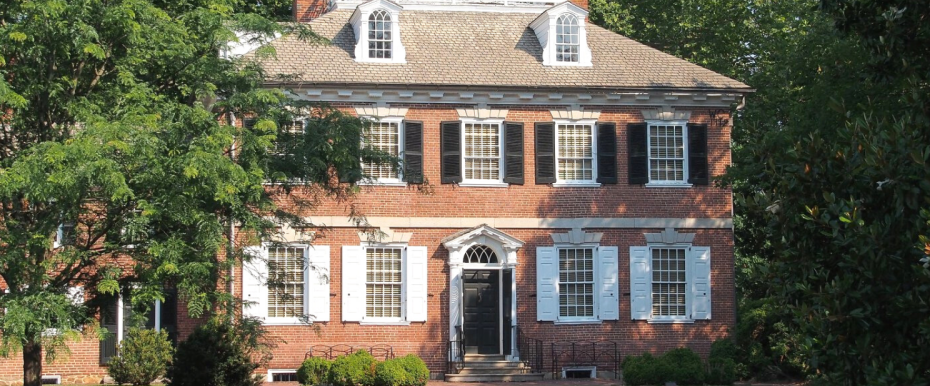
Out with the new, in with the old
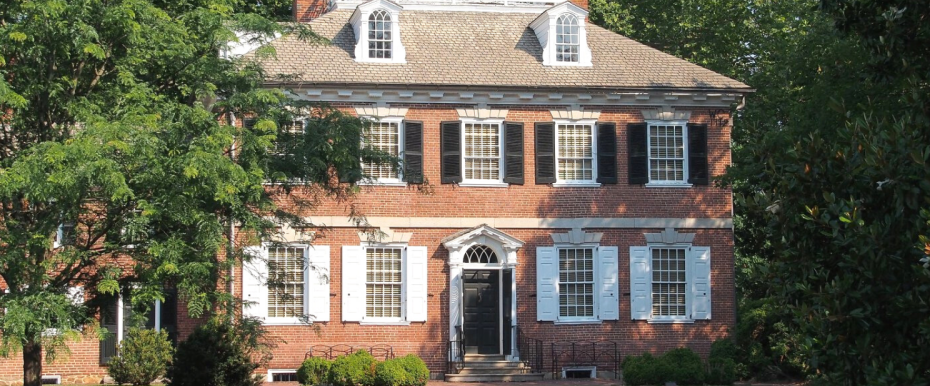
For decades, the American housing conversation revolved around square footage, open floor plans, and the eternal quest for the perfectly neutral kitchen. Granite, gray paint, and “move-in ready” became the measuring stick of success.
And then something interesting happened.
People — especially younger homeowners — began craving the exact opposite.
Not bigger. Not newer. Not perfect.
They wanted real.
Today we are witnessing a cultural shift: historic homes are no longer seen as burdens. They’re becoming aspirations. The quirks once considered inconvenient — narrow staircases, built-ins, wavy glass, plaster walls — are now the features buyers search for first.
The question is no longer “How modern can we make it?”
It’s becoming: “How much original character can we preserve?”
From Minimalism to Meaning
For nearly twenty years, interior design was dominated by minimalism — clean lines, blank walls, and carefully staged neutrality. But design trends rarely disappear; they overcorrect.
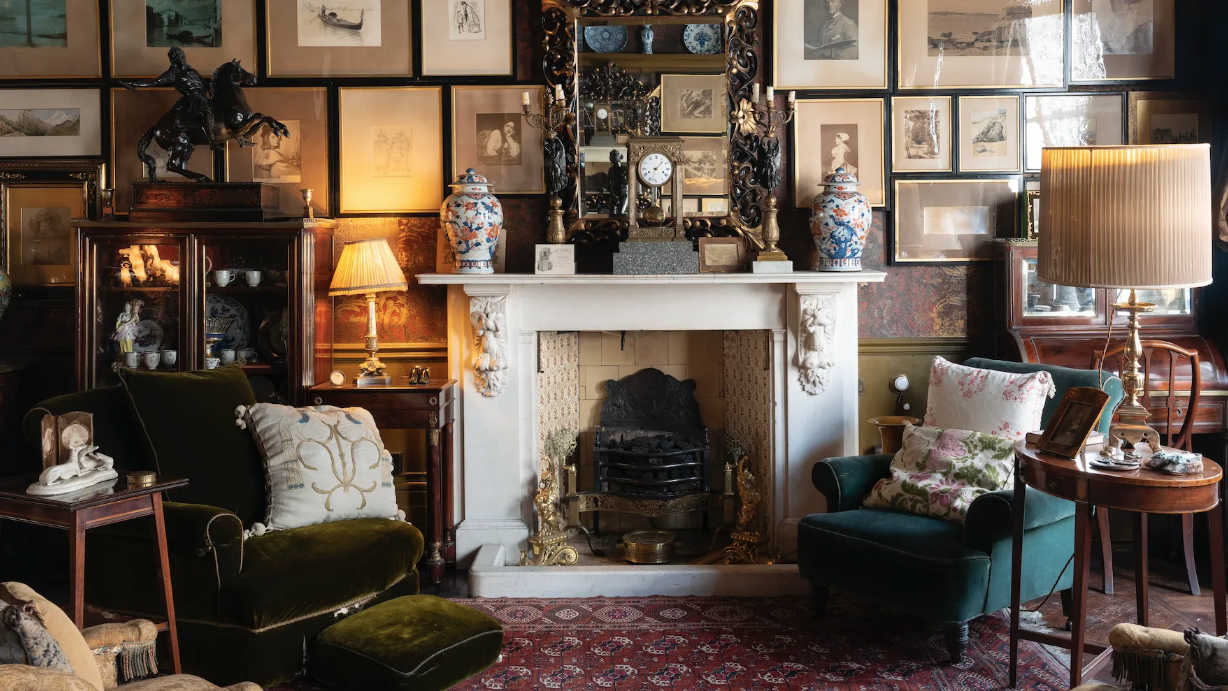
Now, homeowners are rediscovering layered spaces filled with history and personality. The so-called old money aesthetic — traditional furnishings, books, antiques, and collected objects — has surged into popularity online and in real homes.
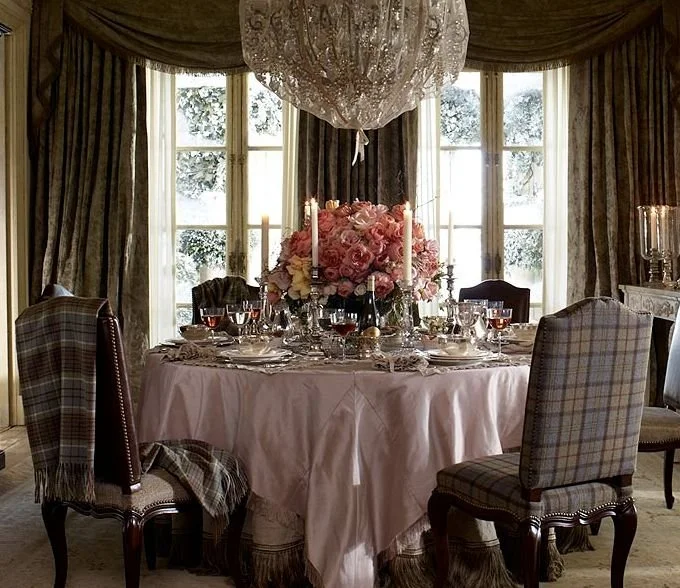
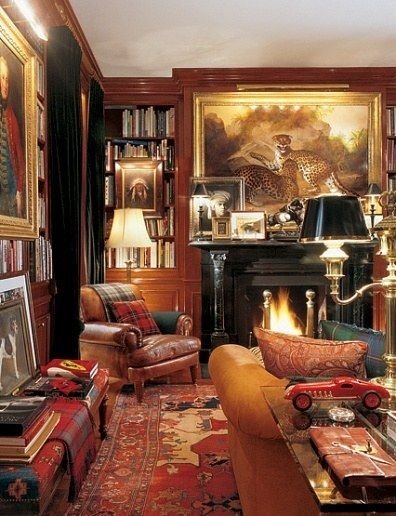
Designers describe the appeal simply: quality, craftsmanship, and permanence over trend-chasing décor.
In other words: rooms that look lived in, not staged.
You can see this shift everywhere. Vintage maximalism, Art Deco detailing, and traditional patterns are returning after years of minimal interiors. The “grandma chic” look — antiques, florals, heirlooms — is even being reinterpreted as stylish rather than dated. Ref: Homes & Gardens
This isn’t nostalgia for the past. It’s fatigue with disposable design.
Younger Generations Want History — Not Just Housing
Perhaps the most surprising part of the trend is who is leading it. Ref: Fortune
Gen Z and millennials are renovating homes at higher rates than older generations. They’re also embracing bold traditional features like wallpaper, stained glass, and wood paneling. Ref: New York Post
These are elements once routinely removed during renovations.
Now they’re being hunted on real-estate listings.
Social media has played a role, but not in the way many assume. Instead of promoting perfection, it has popularized authenticity. Younger homeowners increasingly value sustainability, reuse, and individuality — mixing vintage pieces with modern life. Ref: NAR
Historic homes naturally provide all three.
No reproduction can compete with original millwork that has survived 120 winters.
The Psychology Behind the Shift
This movement is about more than aesthetics. It reflects a deeper cultural mood.
We live in an era of rapid change — digital lives, remote work, and transient communities. Historic houses offer the opposite: continuity. They remind us people lived here before us.
Research shows nostalgia-driven design trends are rising partly as a reaction to an overly digital world, creating comfort and emotional connection through tangible surroundings. Ref: AP News
A historic home isn’t just architecture. It’s a physical timeline.
And increasingly, homeowners want to become part of that story rather than erase it.
Restoration Over Renovation
For much of the late 20th century, updating older homes meant stripping them — removing doors, flattening trim, opening floor plans, and replacing materials with modern equivalents.
Today’s restoration philosophy is different. The goal is not to make an old house behave like a new one. The goal is to understand what it was meant to be.
Owners are researching paint colors, hardware, and layouts — sometimes even reversing previous “updates.” The idea is balance: livability without historical amnesia. A well-restored house doesn’t freeze time. It allows time periods to coexist.
The Appeal of the “Collected Over Time” Home
The emerging ideal home is not perfectly coordinated. It’s curated.
Designers note that younger homeowners increasingly prefer spaces layered with meaningful objects rather than mass-produced décor.
Even internet aesthetics like cottagecore celebrate traditional architecture and slow living.
Historic houses already embody this philosophy. They were never meant to look identical room to room. They evolved as families did.
Owning one is less like purchasing a product and more like inheriting a responsibility. Ref: Better Homes & Gardens
Why Preservation Matters Now More Than Ever
The renewed appreciation for historic homes presents a rare opportunity.
For years, preservation organizations worked to convince people that old houses were worth saving. Today, many people already believe it — they just need guidance on how to do it properly.
Education now matters as much as advocacy.
Because when owners understand:
why original windows matter
how materials were meant to breathe
what makes craftsmanship irreplaceable
they stop seeing maintenance as a burden and start seeing stewardship as pride.
The 1990s homeowner wanted a house that looked untouched by time.
The 2020s homeowner wants a house that has survived time.
That difference changes everything.
Historic homes are no longer competing with new construction on convenience — they’re competing on meaning. And meaning wins.
“In the end, preservation isn’t about freezing the past.
It’s about giving the future something worth inheriting.”
- Author, C.M. Wyckoff